


If you’ve heard the term army tapout and wondered what it really means, you’re not alone. The word tapout is widely used in combat sports, military-style training, and even streetwear culture. But its meaning can change depending on the context.
In this guide, you’ll learn what an army tapout is, where the term comes from, and how it’s used today—from military training to MMA and fashion. By the end, you’ll have a clear, simple understanding without any confusion.
What Does “Tapout” Mean?
At its core, tapout means to signal surrender or submission. It’s a physical or verbal way of saying:
- “I give up”
- “I can’t continue”
- “Stop the action”
This term originally comes from combat sports like MMA (Mixed Martial Arts) and Brazilian Jiu-Jitsu. Fighters tap their opponent or the ground to end a match when they’re caught in a painful or dangerous hold.
What Is an Army Tapout?
What Is an Army Tapout It is not an official military term, but it’s often used informally to describe:
1. Giving Up During Tough Training
In military-style training or boot camps, an army tapout refers to someone who:
- Quits during intense physical drills
- Can’t complete endurance exercises
- Mentally checks out under pressure
It’s usually seen as a sign of weakness in high-discipline environments.
2. Mental or Physical Breaking Point
The phrase can also describe reaching your limit—physically or mentally. For example:
- Exhaustion during long runs
- Stress during survival training
- Overload during combat simulations
In this sense, an army tapout highlights the importance of mental toughness.
Origin of the Term Tapout
The term tapout comes from combat sports and has grown into mainstream culture.
In Martial Arts
- Fighters “tap out” to avoid injury
- It’s a safety mechanism, not a failure
- Common in Brazilian Jiu-Jitsu and MMA
In Military Influence
While the military doesn’t officially use “tapout,” the idea of not quitting under pressure aligns with military values like:
- Discipline
- Endurance
- Resilience
So when people say army tapout, they usually mean the opposite of what soldiers are trained for—never giving up.
Tapout in MMA vs Army Context
| Aspect | MMA Tapout | Army Tapout |
|---|---|---|
| Meaning | Submission to stop a fight | Quitting under pressure |
| Purpose | Safety and injury prevention | Seen as failure or limit |
| Context | Controlled sports environment | Training or mental endurance |
| Perception | Smart decision | Often negative |
This comparison helps you understand how the same word can carry very different meanings.
Why the Concept Matters
Understanding tapout is important because it relates to real-life skills:
1. Mental Strength
In both sports and military-style environments, pushing through discomfort builds resilience.
2. Knowing Your Limits
In some situations, tapping out is actually the smart choice—especially to avoid injury.
3. Discipline and Growth
The idea of not tapping out is often used as motivation to:
- Stay focused
- Push harder
- Improve performance

Tapout in Fitness and Training Culture
Today, the term tapout is widely used in gyms and fitness programs.
Common Uses
- “Don’t tap out” during workouts
- High-intensity interval training (HIIT)
- Bootcamp-style sessions
What It Represents
- Pushing past limits
- Building endurance
- Staying mentally strong
However, good trainers also emphasize safety—knowing when to stop is just as important.
Tapout in Streetwear and Fashion
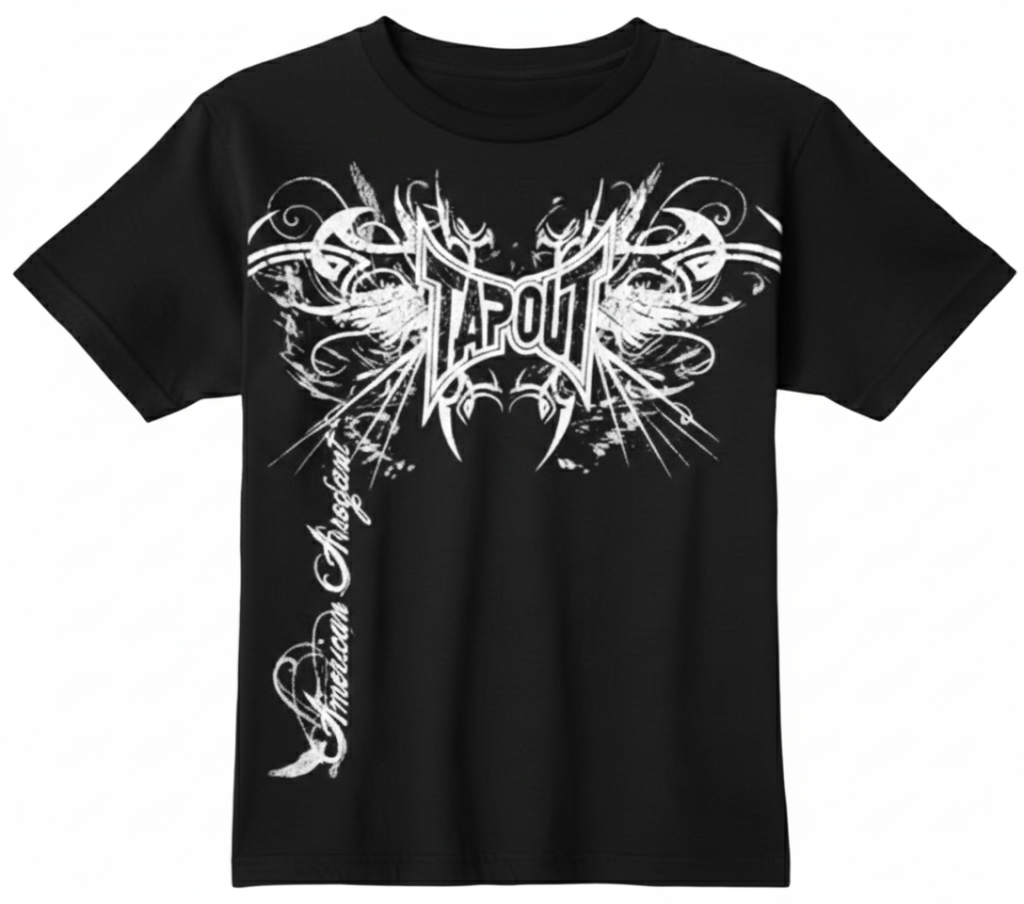
Interestingly, Tapout is also a popular name in fashion, especially in combat-inspired clothing.
What Is Tapout Clothing?
Tapout is a brand known for:
- MMA-inspired apparel
- Graphic t-shirts and hoodies
- Athletic and streetwear styles
Why It’s Popular
- Strong, bold designs
- Connection to fighting culture
- Symbol of toughness and resilience
In fashion, tapout doesn’t mean quitting—it represents strength, attitude, and determination.
Common Misunderstandings About Army Tapout
❌ Myth 1: It’s an official military term
It’s not. The military doesn’t formally use “army tapout.”
❌ Myth 2: Tapping out is always bad
In sports, tapping out is a smart and safe decision.
❌ Myth 3: It only applies to fighting
The concept now applies to fitness, mindset, and even lifestyle.
Related Keywords and Concepts
To better understand tapout, here are some related terms:
- MMA submission
- Combat training
- Military endurance
- Boot camp workouts
- Mental toughness
- Fitness discipline
- Survival training
- High-intensity training
- Streetwear fashion
These terms are often used alongside tapout in different contexts.

How to Build a “No Tapout” Mindset
If you want to adopt the mindset behind not tapping out, here are simple tips:
1. Train Your Mind
- Practice consistency
- Stay focused on goals
- Avoid distractions
2. Improve Physical Endurance
- Regular workouts
- Strength and cardio training
- Gradual progression
3. Learn When to Stop
- Avoid injury
- Listen to your body
- Balance effort with recovery
The key is not just pushing harder—but pushing smarter.
Real-Life Example
Imagine a high-intensity bootcamp workout:
- You’re tired
- Your muscles are burning
- You want to quit
This is your “tapout moment.”
At this point, you have two choices:
- Stop completely (tap out)
- Push through safely and finish
This moment defines your growth and mental strength.
Internal Linking Suggestions
To improve your website SEO and user engagement, link this post to:
- Tapout shirts
- Tapout shorts collection
- MMA-inspired clothing category
- Fitness apparel guide
- Training and workout blog posts
These links help users stay longer on your site and explore more content.
Conclusion
So, what is an army tapout? In simple terms, it refers to giving up under pressure, especially in tough physical or mental situations. While the term isn’t officially used in the military, it reflects the idea of reaching your limit.
The word tapout has evolved far beyond combat sports. Today, it represents:
- Strength and endurance
- Mental toughness
- Fitness culture
- Streetwear identity
Understanding this concept helps you apply it to your own life—whether in training, work, or daily challenges.