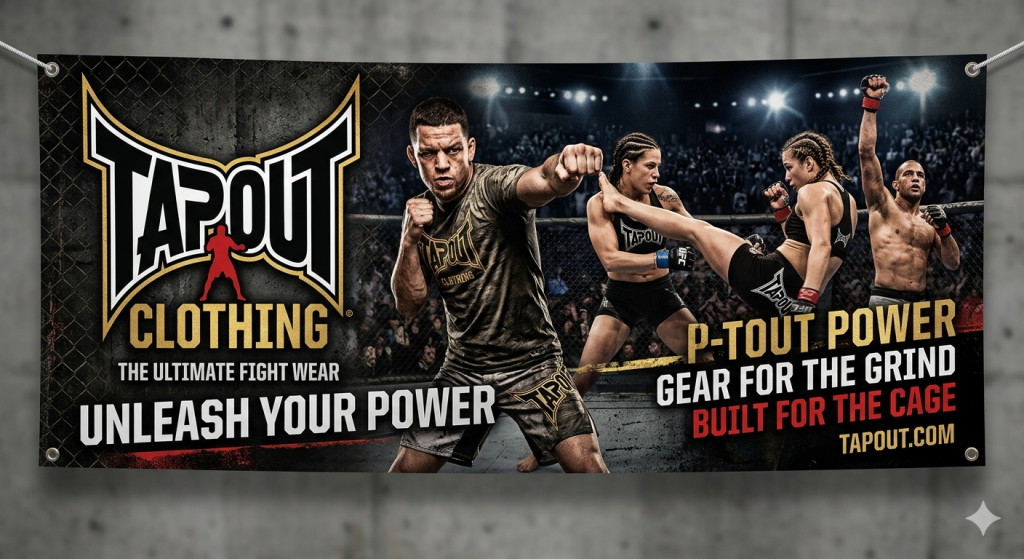

The story of tapout is one of the most interesting journeys in the world of combat sports and streetwear. If you were around during the early 2000s, you probably remember seeing Tapout shirts everywhere—especially among fans of mixed martial arts.
But today, many people ask the same question: what happened to tapout?
In this detailed guide, we’ll break down the rise, peak, decline, and current state of the brand in a simple, clear way.
The Origins of Tapout
Tapout was founded in 1997 by three entrepreneurs: Charles “Mask” Lewis Jr., Dan Caldwell, and Tim Katz.
At the time, mixed martial arts (MMA) was still a niche sport. The Ultimate Fighting Championship (UFC) was struggling, and fighters weren’t earning much money.
How Tapout Built Its Brand
Tapout didn’t just sell clothing—they built a culture. The founders:
- Traveled across the U.S. to support fighters
- Sponsored athletes when no one else would
- Sold merchandise at local MMA events
- Built strong relationships with fans
This grassroots approach made Tapout shirt one of the first authentic MMA clothing brands.
The Rise of Tapout in MMA Culture
As MMA gained popularity, so did tapout. The brand became closely linked with the growth of the sport itself.
Why Tapout Became So Popular
- Strong presence at UFC events
- Bold, aggressive designs
- Support from top fighters
- Authentic connection with MMA fans
Tapout clothing wasn’t just fashion—it was a symbol of loyalty to the sport.
The Role of Media Exposure
Tapout’s popularity exploded with the reality TV show TapouT, which aired on Versus TV network.
The show followed the founders as they traveled, trained fighters, and built the brand. This gave fans a behind-the-scenes look at MMA life and made the brand even more relatable.
The Turning Point: A Major Tragedy
In 2009, tragedy struck when co-founder Charles “Mask” Lewis Jr. died in a car accident.
This was a huge loss—not just for tapout, but for the entire MMA community.
Impact on the Brand
- Loss of a key personality and leader
- Emotional blow to fans and fighters
- Shift in brand identity
Mask was the face of Tapout. Without him, the brand lost part of its original spirit.
Tapout Gets Acquired: The Corporate Shift
In 2010, Tapout was sold to a larger company, Authentic Brands Group (ABG). This marked a major shift in how the brand operated.
What Changed After the Acquisition?
- Focus moved from MMA culture to mass retail
- Products became widely available in stores
- Brand positioning shifted toward fitness and lifestyle
Tapout started appearing in mainstream outlets rather than being exclusive to MMA fans.
The WWE Partnership: A New Direction
One of the biggest changes came when tapout partnered with WWE in 2015.
What This Partnership Meant
- Tapout became WWE’s official fitness apparel partner
- The brand shifted from fight gear to athletic wear
- Focus expanded beyond MMA
This move helped keep the brand alive—but it also distanced Tapout from its original audience.
Why Tapout Declined in Popularity
So, what happened to tapout in terms of popularity? Several factors played a role.
1. Loss of Authentic Identity
Tapout started as a hardcore MMA brand. After corporate changes:
- It became more commercial
- Lost its underground appeal
- Fans felt disconnected
2. Market Saturation
As MMA grew, many new brands entered the market:
- More stylish options
- Better quality in some cases
- Stronger branding strategies
3. Shift in Fashion Trends
Streetwear clothing and sportswear evolved. Brands like:
- Performance-focused athletic companies
- Modern streetwear labels
…started dominating the space.
4. Reduced Presence in MMA
Tapout was no longer deeply involved in the MMA scene:
- Fewer fighter sponsorships
- Less visibility at events
- Weaker connection to core fans
Is Tapout Still in Business Today?
Yes, tapout is still active—but it looks very different from what it used to be.
Current Position of the Brand
Today, Tapout is:
- A fitness and training apparel brand
- Sold through large retail chains
- Marketed to a broader audience
It’s no longer just an MMA brand—it’s a general athletic brand.
Tapout vs Modern MMA Brands
To understand what happened to tapout, it helps to compare it with newer brands.
Key Differences
Old Tapout:
- Deep MMA roots
- Fighter-first approach
- Limited distribution
Modern Brands:
- Strong digital marketing
- Trend-driven designs
- Global reach
Tapout struggled to adapt quickly to these changes.
The Legacy of Tapout
Even though its popularity has changed, tapout still holds an important place in MMA history.
What Tapout Did for MMA
- Helped fighters financially in early days
- Promoted the sport when it wasn’t mainstream
- Built one of the first MMA fan communities
Without Tapout, MMA might not have grown as fast as it did.
Key Lessons from Tapout’s Journey
The story of tapout offers valuable lessons for brands and entrepreneurs.
1. Stay True to Your Core Audience
Losing authenticity can weaken brand loyalty.
2. Adapt Without Losing Identity
Growth is important, but so is consistency.
3. Strong Leadership Matters
The loss of a key leader can impact long-term direction.
4. Trends Change Fast
Brands must evolve with fashion and culture.
Frequently Asked Questions
Why did Tapout lose popularity?
Tapout declined due to brand dilution, increased competition, and shifting fashion trends.
Is Tapout still related to MMA?
Not strongly. Today, it focuses more on general fitness apparel.
Who owns Tapout now?
Tapout is owned by Authentic Brands Group.
Conclusion: What Happened to Tapout?
So, what happened to tapout?
In simple terms, it evolved—from a passionate MMA-driven brand into a mainstream fitness label. While it lost some of its original identity, it didn’t disappear. Instead, it adapted to survive in a changing market.